Steady&True
Breath and body tools for times like these
100% free • No equipment or experience needed • Most practices under 5 minutes
Three Components of Regulation
These three areas of practice form a virtuous cycle of regulation, building greater ease and resilience over time.
Downshift
Simple breath and movement tools to bring stress into a workable range—so you can respond rather than react.
Explore downshift toolsTune In
Learn your body's early signals so you can catch stress before it becomes overwhelm.
Explore awareness practicesRelate
Practice validation, reduce self-judgment, and build steadier emotional resilience—without pretending everything is fine.
Explore relating practicesBuild a practice in 10 days
One email a day. One simple practice. Five minutes. These are the same breath and body tools I use on the ambulance as an EMT and teach in workshops — packaged into a free 10-day sequence that builds on itself.
Days 1–3
Downshift
Learn to bring stress down in seconds
Days 4–6
Tune In
Read your body's early warning signals
Days 7–9
Relate Differently
Change how you relate to stress and emotions
Day 10
Integration
Put it together and choose your path forward
Or complete the whole course in about an hour. Either way works.
What's This All About?
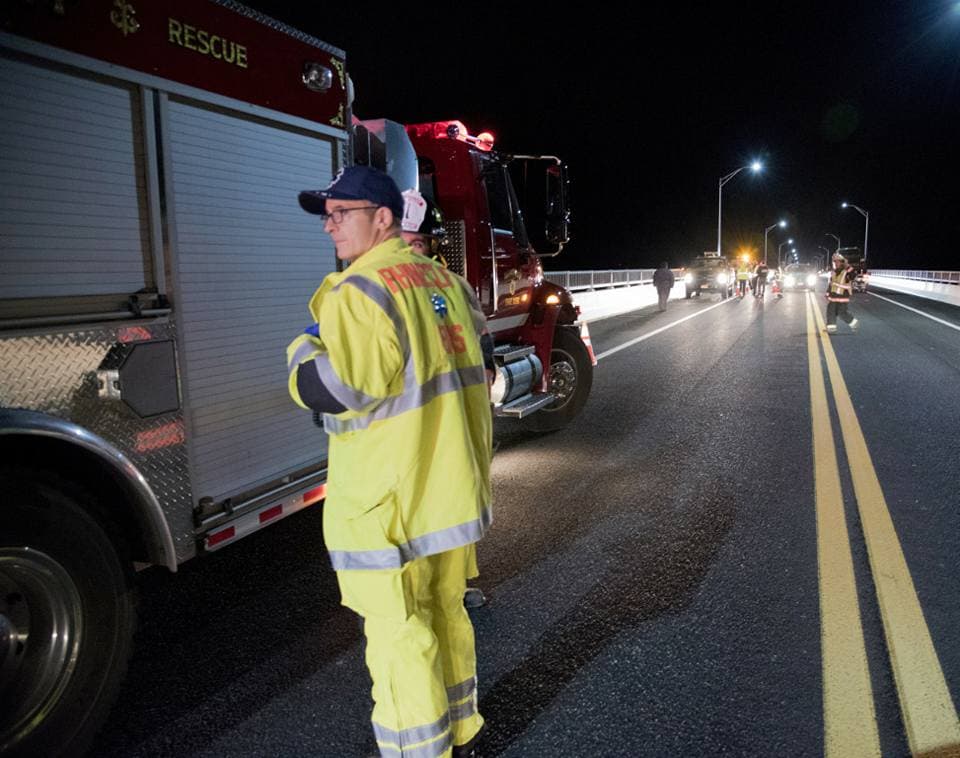
Hi, I'm Rob Tourtelot. As a volunteer EMT, as well as a parent and company owner, I've learned simple breath, movement, and relating practices over the years to help bring stress and anxiety into a more workable range. I've used these tools during and after difficult EMS calls, with parenting stress, and in the wake of grief and loss.
It's no exaggeration to say that these tools have changed my life. This site is my attempt to pay it forward, offering these learnings for free to anyone who might benefit.
Life is undeniably hard right now for many people. The goal is not to pretend otherwise, or to suggest that soothing our nervous system is all that's required. In my experience, tools like these help me to stay present in challenging situations, responding with more choice and clarity.
It's also worth noting that these practices work best as part of a bigger picture that includes human connection, time spent outdoors, and proper sleep, nutrition, and exercise. Sometimes, though, when some or all of those things are hard to come by, I fall back on these tools to get me through.
You are always the leading expert on your own life and nervous system. Please treat everything here as suggestions for experimentation. Try a practice, notice what changes (even a little bit), and discard what doesn't work for you. Please be gentle with yourself, and remember that progress is often non-linear. If you have questions, comments, or suggestions, I'd love to hear from you.
Frequently Asked Questions
What should I expect from this approach?
Expect small, practical shifts, especially in how quickly you recover from stress. Many people notice they can bring intensity down a notch, notice stress in their body earlier, and respond with a little more choice. The goal isn't to impose calmness on your nervous system. It's to keep stress in a more workable range so you can stay present and take the next wise step.
Is this bypassing—using tools to avoid feelings?
It can be, if the intention is “make this go away at all costs.” That's not the goal here. Downshifting isn't suppression. It's support—bringing the intensity down so you can actually stay with what's real, instead of getting overwhelmed or shutting down.
Will this get rid of my anxiety?
These tools can reduce intensity in the moment and improve recovery over time, but the aim isn't “zero anxiety.” Anxiety is a normal and valuable human signal, often arising when there's a deeper emotion we don't feel resourced enough to feel right now. The aim is less spiraling, faster recovery, earlier detection, and a more compassionate relationship with what's happening in the moment. Over time, with this approach, anxiety becomes less of an issue.
What if a practice makes me feel worse?
Stop and return to normal breathing. Open your eyes and look around the room. Go smaller next time (shorter, gentler, fewer rounds), or skip that practice. Everyone's nervous system is different. If you have panic symptoms, trauma history, or a medical condition, go slowly and consider working with a qualified professional.
Do I need to do all of these practices to get benefits?
No. The fastest way to accomplish nothing is to try to do everything at once. There's no rush here. You could start with one cue + one tool for a week (example: “when I read an email that stresses me out → 3 physiological sighs”). Consistency beats intensity.
Is this therapy?
This is educational skills training. It can complement therapy, but it isn't a substitute for medical or mental health care. If you're experiencing severe distress, panic attacks, trauma symptoms, or thoughts of self-harm, seek professional support.
Does “regulation” mean I should tolerate unhealthy situations?
No. Regulation isn't about adapting to something unhealthy. It's about staying resourced enough to respond with clarity. Sometimes the right next step is a boundary, asking for help, changing a situation, resting, or taking action, not just breathing and enduring.
What if I don't feel much from breath practices?
That's common, especially at first. Each nervous system responds differently, and sometimes shifts will be small and subtle. Start smaller, practice briefly and consistently, and explore other tools (movement, muscle release, orienting, and awareness practices).
I sometimes feel numb or disconnected. Is that the same as being calm?
Important distinction. True regulation expands your capacity to feel and respond—it doesn't eliminate feeling. If you practice these tools and notice you're becoming MORE numb, MORE disconnected, or LESS able to access emotions, that's important information.
There's a difference between calm that comes from safety and capacity, versus calm that comes from dissociation or shutdown. If you're experiencing chronic numbness or emotional flatness, these practices may not be the right starting point—working with a trauma-informed therapist can help build the foundation these tools require.
The goal isn't to be calm all the time—it's to have choice in how you respond.